Buttock Lift in Thailand - Lift and Tighten at Leading Clinics
Removes excess sagging skin, restores firmer contour. Board-certified surgeons. 26,000+ patients. Free service.
From $4,000
All-inclusive pricing
3-6 Hours
Procedure time
2-3 nights
Hospital stay
9 Days
Stay in Thailand
What Is a Buttock Lift?
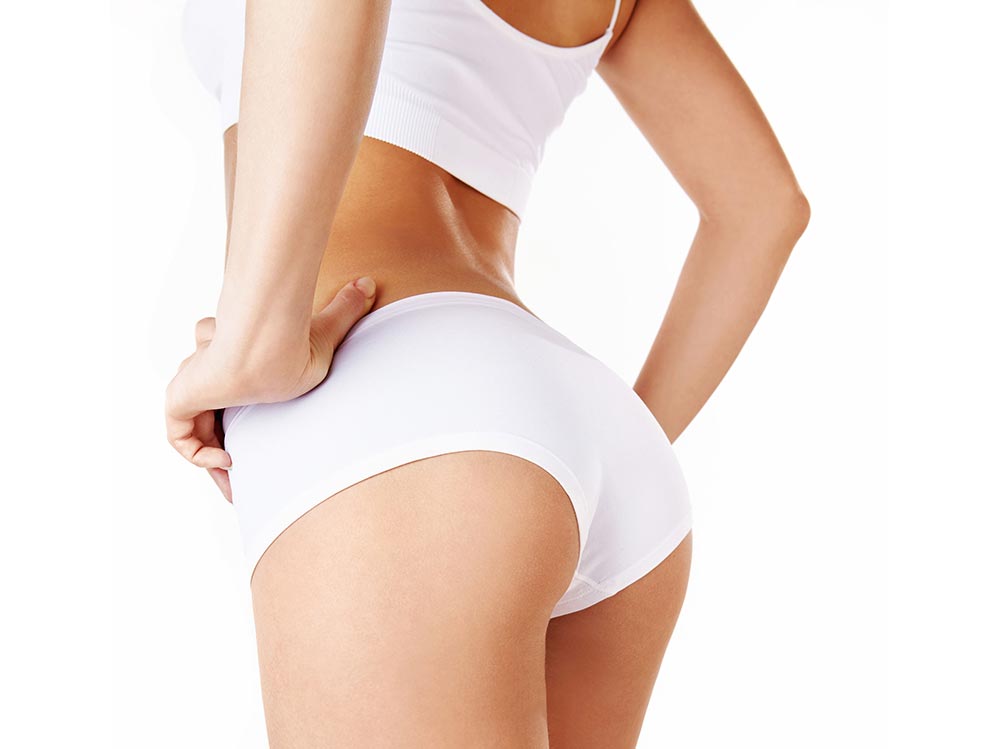
A buttock lift is a body-contouring procedure that removes excess, sagging skin and tissue from the buttocks and upper posterior thighs. By excising redundant tissue and tightening the remaining skin, the surgeon elevates the buttock mound and restores a smoother, more defined contour.
The procedure addresses skin laxity rather than volume. Unlike buttock augmentation (which adds volume through implants or fat transfer), a buttock lift focuses on lifting and tightening tissue that has lost elasticity. The incision is typically placed along the lower back or waistline, allowing the surgeon to excise a crescent or ellipse of loose skin and pull the underlying tissue upward. The scar sits within the underwear or bikini line.
In many cases, liposuction is performed simultaneously to remove localised fat deposits and further refine the contour. Some patients elect to combine the lift with autologous fat transfer to enhance volume and projection after the lift is completed.
A buttock lift is especially beneficial for patients who have undergone major weight loss and are left with flat, deflated buttocks with hanging skin folds. It is also appropriate for patients whose buttocks have sagged considerably due to age-related loss of skin elasticity.
Who Is a Good Candidate?
You may be a good candidate if you:
- Have significant sagging or drooping of the buttocks and upper posterior thighs
- Experience skin folds, chafing, or hygiene difficulties due to excess buttock skin
- Have achieved a stable weight for at least 3 to 6 months after major weight loss
- Are at or close to your ideal body weight
- Are a non-smoker or willing to stop smoking at least two weeks before and after surgery
- Are in good overall health with no uncontrolled medical conditions
- Accept that a scar along the lower back or waistline is a necessary trade-off
A buttock lift may not be appropriate if you:
- Have a significantly elevated BMI - weight loss before surgery improves safety and results
- Plan to lose a substantial amount of additional weight
- Smoke and are unwilling to quit for the required period
- Have conditions that impair wound healing, such as uncontrolled diabetes or autoimmune disorders
- Seek primarily volume enhancement - buttock augmentation or fat transfer may be more suitable
During your free consultation, our partnered surgeons evaluate your skin quality, degree of ptosis, and overall goals to recommend the most appropriate approach.
How a Buttock Lift Is Performed
Understanding the surgical process helps set realistic expectations. Here is a step-by-step overview of a buttock lift in Thailand.
Anaesthesia
The procedure is performed under general anaesthesia with a qualified anaesthesiologist monitoring your vitals throughout.
Incision planning
The surgeon marks the incision while you are standing. The most common placement runs horizontally across the lower back, along or just below the waistline. The incision may extend laterally onto the hips depending on the extent of skin laxity.
Liposuction (if applicable)
When localised fat deposits accompany skin sagging, liposuction is performed to debulk the area and improve contouring precision before skin is excised.
Skin and tissue excision
The surgeon removes a carefully measured section of excess skin and underlying tissue from the upper buttock region.
Lifting and tightening
The remaining skin and tissue are pulled upward and secured with deep internal sutures, elevating the buttock mound into a firmer, higher position.
Closure
Incisions are closed in multiple layers. Drains are typically placed to prevent fluid accumulation and are removed within the first few days. A compression garment is applied.
The operation typically takes 3 to 6 hours, depending on the extent of skin removal and any complementary procedures such as liposuction.
Preparing for Your Buttock Lift
Thorough preparation supports a safe procedure and smooth recovery.
Medical Clearance
- • Share your full medical history, all current medications, supplements, and allergies with your surgeon.
- • Blood tests and a physical examination are completed before surgery.
- • Patients with a history of blood clots or deep vein thrombosis should inform their surgeon.
Lifestyle Adjustments
- • Stop smoking at least two weeks before and after surgery - smoking impairs blood flow and significantly delays wound healing.
- • Discontinue aspirin, ibuprofen, and blood-thinning supplements (fish oil, vitamin E, ginkgo biloba) at least two weeks prior.
- • Avoid alcohol for at least 24 hours before surgery.
Day of Surgery
- • No food or drink for at least 6 hours before the operation.
- • Shower on the morning of surgery; do not apply lotions or perfumes to the treatment area.
- • Remove all jewellery, piercings, contact lenses, and nail polish.
- • Wear loose, comfortable clothing that avoids pressure on the buttock area.
Practical Planning
- • Arrange accommodation close to the hospital for your post-discharge recovery.
- • Plan to stay in Thailand for a minimum of 9 days.
- • Have a companion travel with you - sitting and daily activities are restricted during the first week, and assistance is invaluable.
Recovery and Aftercare
Buttock lift recovery requires patience and strict adherence to post-operative instructions, particularly regarding sitting and pressure on the surgical area.
Hospital Stay
Early Recovery
Transition
Full Recovery
Final Results
Risks and Complications
All surgical procedures carry potential risks. Choosing a board-certified surgeon at a JCI-accredited facility significantly reduces these risks.
Common Side Effects
- Swelling and bruising - resolves over 3 to 6 weeks
- Temporary numbness - buttock and upper-thigh sensation may take weeks to several months to fully return
- Scarring - a permanent scar along the lower back/waistline, positioned within the underwear line; fades over 6 to 18 months
Less Common Complications
- Infection - minimised through sterile technique and prophylactic antibiotics
- Haematoma or seroma - fluid or blood collection that may require aspiration
- Wound separation - more likely in smokers or when sitting instructions are not followed
- Asymmetry - minor differences are possible; significant asymmetry is uncommon with experienced surgeons
- Skin necrosis - rare; risk increases with smoking
- Deep vein thrombosis - prevented through early mobilisation, compression stockings, and anticoagulant prophylaxis
Following sitting restrictions and wearing the compression garment as directed are the most critical factors in reducing complication risk and preserving results.
Buttock Lift Cost in Thailand
Cost is a primary driver for patients choosing a buttock lift in Thailand - prices are typically 50-70% less than in Western countries, without compromising surgical quality.
Prices below are starting rates in USD and include surgeon's fee, anaesthesia, hospital stay, and standard post-operative care. Final pricing depends on the extent of tissue removal and any complementary procedures.
| Hospital / Clinic | Starting Price (USD) |
|---|---|
| Phuket International Hospital | $4,589 |
| Bangpakok 9 International Hospital | $6,000 |
| Apex Medical Center | $8,958 |
What's Included
- Pre-operative blood tests and assessments
- Surgeon's and anaesthesiologist's fees
- Operating theatre and equipment
- Hospital stay (2-3 nights, private room)
- Post-operative medications and compression garment
- Follow-up consultations during your stay
Western Comparison
For comparison, a buttock lift typically costs:
- United States $7,000 - $14,000
- Australia AUD 10,000 - 18,000
- United Kingdom £6,000 - £11,000
Thailand's pricing makes expert buttock contouring accessible to a far broader range of patients - and the savings frequently cover flights and accommodation.
Frequently Asked Questions
Book Your Free Consultation
Taking the first step toward a firmer, more lifted silhouette is straightforward. Contact our team to arrange a free, no-obligation consultation with one of Thailand's leading plastic surgeons.
Submit Enquiry
Share your goals, medical history, and any photos for an initial assessment.
Get Your Plan
We match you with the best surgeon and hospital and provide a detailed cost estimate.
Confirm & Travel
We handle hospital scheduling, accommodation guidance, and your entire stay coordination.