Female to Male Surgery in Thailand - Gender Affirmation at Expert Clinics
The most complex gender affirmation procedures, including multi-stage phalloplasty aligned with WPATH standards. We've helped over 26,000 patients since 2003.
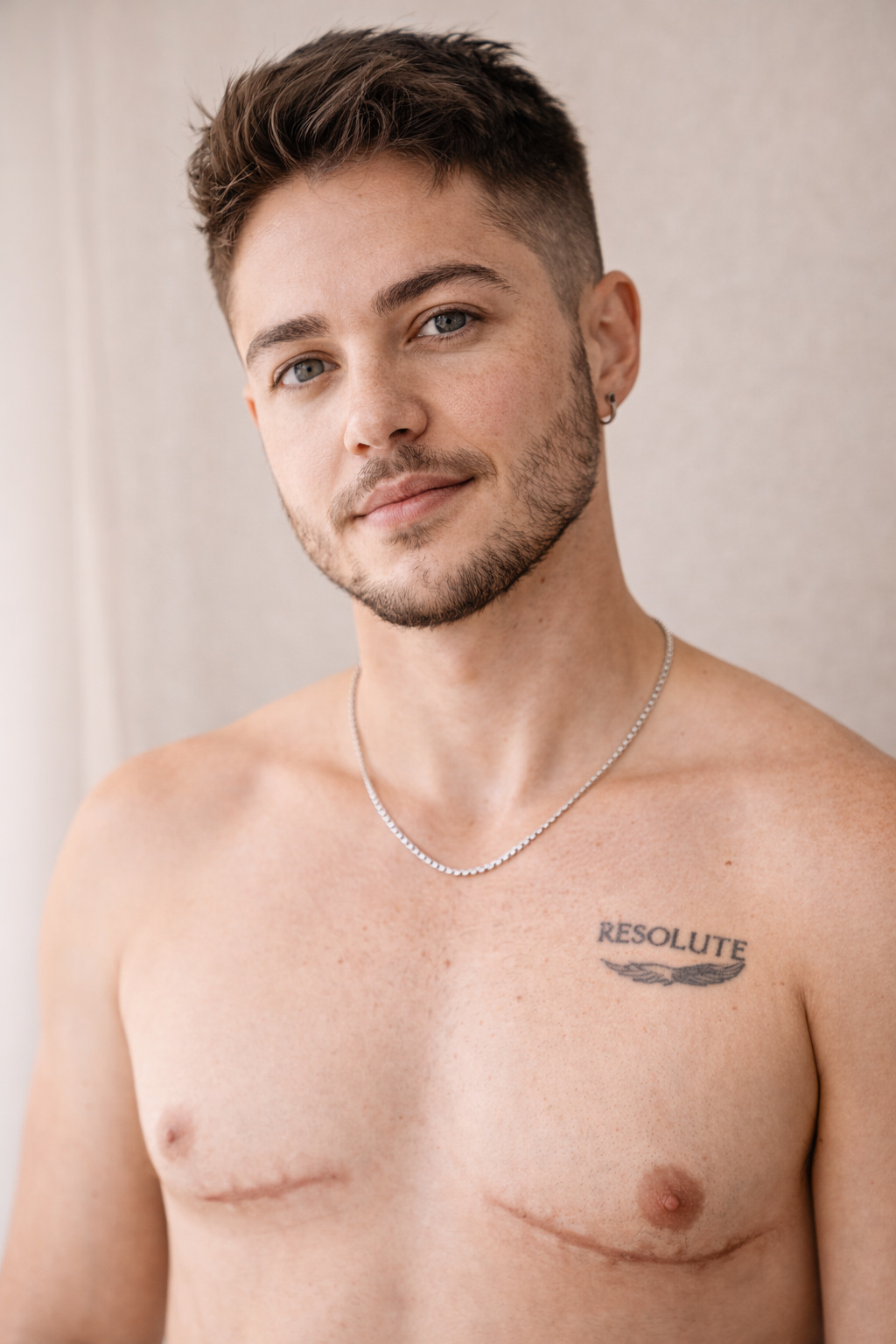
From $7,000
All-inclusive pricing
Varies
Procedure time
3-10 nights
Hospital stay
2-3 Weeks
Stay in Thailand
What Is Female to Male Surgery?
Female to male surgery encompasses a range of gender-affirming procedures designed to masculinise the body. The most comprehensive pathway - phalloplasty with urethral lengthening - is a multi-stage process performed over 12 or more months. Thailand's specialist surgeons align their practice with the WPATH (World Professional Association for Transgender Health) Standards of Care, the internationally recognised clinical framework for transgender and gender-diverse health.
Top Surgery (Chest Masculinisation)
Bilateral mastectomy removes breast tissue and reshapes the chest to a masculine contour. Excess skin is removed, nipples are resized and repositioned, and the chest is sculpted for a natural male appearance. This is often the first surgical step for many transmasculine patients.
Hysterectomy and Oophorectomy
Removal of the uterus (hysterectomy) and ovaries (oophorectomy) eliminates menstruation and the body's primary source of oestrogen. This step is frequently combined with top surgery or performed as the first stage of the genital reconstruction pathway.
Phalloplasty (Multi-Stage Genital Reconstruction)
Phalloplasty is the construction of a penis using tissue from another part of the body. In Thailand, the most commonly offered technique uses abdominal skin (abdominal flap phalloplasty). This is a four-stage process performed over a minimum of 12 months, with each stage separated by 3 to 6 months to allow healing.
- Stage 1 - Hysterectomy and mastectomy. The uterus, ovaries, and breast tissue are removed. This stage establishes the physiological and anatomical foundation for subsequent genital construction.
- Stage 2 - Penis construction. A phallus is created using a tube-in-tube technique from abdominal skin and tissue. The flap is shaped and attached to the groin. The clitoris is typically preserved beneath the base of the phallus to maintain erogenous sensation.
- Stage 3 - Urethral connection and testicular implants. The urethra is lengthened and connected through the neophallus to allow standing urination. Silicone testicular implants are placed within a constructed scrotum (scrotoplasty) using labial tissue.
- Stage 4 - Penile implant. A semi-rigid or inflatable silicone penile prosthesis is inserted to enable erectile function and sexual penetration.
Each stage is a significant surgery requiring its own recovery period. The full surgical journey demands commitment, patience, and close collaboration with your surgical team.
Who Is a Good Candidate?
Candidacy for FTM surgery follows internationally recognised guidelines designed to ensure patient safety and readiness.
You may be a good candidate if you:
- Are at least 18 years of age (patients under 20 require documented parental or legal guardian consent)
- Have a persistent, well-documented gender incongruence
- Have lived in your affirmed gender role for a continuous period
- Hold referral letters from qualified mental health professionals (WPATH Standards of Care)
- Are in good general health with no uncontrolled chronic conditions
- Are a non-smoker or willing to stop smoking at least six weeks before and after each stage
- Have realistic expectations about the multi-stage nature, timeline, and functional outcomes
Important clinical considerations:
- BMI requirements are strict for phalloplasty - abdominal flap techniques require adequate tissue and a healthy body composition.
- Smoking cessation is particularly critical for phalloplasty, as complex tissue flaps are highly susceptible to healing complications from nicotine.
- Prior hormone therapy (testosterone) is common among candidates but protocols vary by surgeon.
The consultation process includes a thorough review of your medical history, mental health documentation, body habitus assessment, and detailed discussion of realistic expectations for each stage.
How Female to Male Surgery Is Performed
FTM genital reconstruction is among the most complex procedures in gender affirmation surgery. Below is an overview of the four-stage pathway.
Stage 1 - Hysterectomy and Mastectomy
Performed under general anaesthesia. A total hysterectomy removes the uterus and cervix; a bilateral oophorectomy removes the ovaries. Simultaneously or as a separate procedure, bilateral mastectomy is performed - breast tissue is excised, excess skin is removed, and nipples are resized and repositioned for a masculine chest contour. Hospital stay is typically 3-5 days. Recovery takes 4-6 weeks before the next stage can be planned.
Stage 2 - Phallus Construction (3-6 Months After Stage 1)
The most complex stage. Under general anaesthesia, a tube-in-tube flap is created from abdominal skin and subcutaneous tissue. The outer tube forms the shaft of the phallus and the inner tube forms the framework for future urethral extension. The flap is shaped, rolled, and attached to the groin. The clitoris is preserved at the base of the neophallus to maintain erogenous sensation. Drains are placed and the donor site on the abdomen is closed. Hospital stay is approximately 7-10 days. Full healing of the flap takes 3-6 months.
Stage 3 - Urethral Connection and Scrotoplasty (3-6 Months After Stage 2)
The urethra is lengthened using tissue grafts and connected through the neophallus, allowing urination from the tip of the penis while standing. A scrotum is constructed from labial tissue, and silicone testicular implants are placed. This stage carries the highest risk of urethral complications (fistula or stricture) and may require additional corrective procedures. Hospital stay is approximately 7-10 days.
Stage 4 - Penile Implant (3-6 Months After Stage 3)
A semi-rigid or inflatable silicone prosthesis is inserted into the neophallus to provide rigidity for sexual penetration. Inflatable devices offer a more natural flaccid and erect state but are mechanically more complex. Hospital stay is approximately 3-5 days.
The full surgical pathway spans a minimum of 12 months from Stage 1 to Stage 4, with each stage separated by 3 to 6 months of healing.
Preparing for Your Surgery
Each stage requires its own preparation, but core principles apply across the entire surgical pathway.
Documentation
- • Mental health referral letters - obtain letters from qualified mental health professionals as outlined by WPATH Standards of Care (usually two independent letters for genital surgery).
- • Medical records - provide a complete medical history, including current medications, hormone regimen, allergies, and previous surgeries.
- • Blood work and imaging - pre-operative tests are completed before each surgical stage.
Medical Preparation
- • Stop smoking at least six weeks before and after each stage - nicotine dramatically increases the risk of flap failure and urethral complications.
- • Discontinue blood thinners at least two weeks prior to each stage.
- • Maintain a stable weight - abdominal flap quality depends on consistent body composition between stages.
- • Follow hormone instructions - your surgeon may adjust testosterone dosing around surgical dates.
Day of Surgery
- • No food or drink for at least 6-8 hours before each procedure.
- • Shower with antimicrobial soap.
- • Remove all jewellery, piercings, nail polish, and contact lenses.
- • Wear loose, comfortable clothing.
Practical Planning
- • Plan each trip to Thailand for a minimum of 2 to 3 weeks per surgical stage.
- • Arrange comfortable, private accommodation near the hospital.
- • Budget for four separate trips over 12+ months.
- • If possible, have a support person accompany you for each stage.
Recovery and Aftercare
Recovery is stage-specific, and each stage has its own timeline and care requirements.
Stage 1 Recovery
Hospital stay of 3-5 days. Chest drains are removed within 2-3 days. Wear a compression vest for 4-6 weeks. Avoid raising arms above shoulder height for 2 weeks. Abdominal recovery from hysterectomy follows standard protocols. Most patients resume light daily activities within 2-3 weeks.
Stage 2 Recovery
Hospital stay of 7-10 days. The abdominal donor site requires careful wound care. Drains remain for approximately one week. Avoid any activity that places tension on the flap. Healing takes 3-6 months, during which the tissue flap establishes its blood supply. Swelling is significant and resolves gradually.
Stage 3 Recovery
Hospital stay of 7-10 days. A urinary catheter remains in place for approximately 2-3 weeks while the new urethral connection heals. This stage carries the highest complication rate - urethral fistula or stricture may require revision. Strict adherence to post-operative instructions is critical. Avoid strenuous activity for 6-8 weeks.
Stage 4 Recovery
Hospital stay of 3-5 days. Swelling and discomfort subside over 2-4 weeks. The implant should not be activated (for inflatable models) until cleared by your surgeon, typically at 6-8 weeks. Sexual activity can resume once fully healed, usually at 8-12 weeks.
Risks and Complications
FTM genital reconstruction is one of the most complex surgical pathways in medicine. Patients should approach the process with a clear understanding of potential risks.
Common Side Effects
- • Swelling and bruising - significant, particularly after Stages 2 and 3; resolves over weeks to months
- • Scarring - permanent scars at the abdominal donor site, chest, and groin; fade over 12-18 months
- • Temporary numbness - common in the chest and phallus; sensation develops gradually over months
- • Fatigue - expected given the magnitude of each surgery; resolve with rest and nutrition
Less Common Complications
- • Urethral fistula - a leak at the urethral connection site; occurs in up to 15-30% of patients; usually repairable with a minor revision
- • Urethral stricture - narrowing of the new urethra causing reduced flow; may require dilation or surgical correction
- • Flap complications - partial flap loss, poor blood supply, or wound breakdown; more likely in smokers
- • Implant complications - mechanical failure, infection, or erosion of the penile prosthesis; may require removal and replacement
- • Infection & DVT - managed with antibiotics and early mobilisation
Female to Male Surgery Cost in Thailand
FTM gender affirmation surgery in Thailand is offered at significantly lower cost than in Western countries, with the additional advantage of access to surgeons who perform these procedures regularly. Because phalloplasty is a multi-stage, highly individualised process, pricing is provided following a detailed consultation.
| Hospital / Clinic | Price |
|---|---|
| Kamol Cosmetic Hospital | Inquire |
| Phuket International Hospital | Inquire |
| Yanhee International Hospital | Inquire |
What's Typically Included (Per Stage)
- Pre-operative assessment, blood work, and medical clearance
- Surgeon's and anaesthesiologist's fees
- Operating theatre and specialised surgical instruments
- Hospital admission (duration varies by stage)
- Post-operative medications and wound care supplies
- Follow-up consultations during your stay
Procedure Details
- Pathway: Multi-stage (4 stages over 12+ months)
- Stay per stage: 2-3 weeks in Thailand
- Interval: Stages separated by 3-6 months
- Western Comparison:
US: $50,000-$150,000
UK: £40,000-£100,000
AUS: $50,000-$120,000
Frequently Asked Questions
Begin Your Gender Affirmation Journey
Beginning your surgical journey toward living fully in your body starts with expert guidance and a plan you can trust. Contact our team to arrange a free, confidential consultation.
Submit Enquiry
Share your goals, medical history, and any relevant documentation for an initial assessment.
Get Your Plan
We match you with the best surgeon and provide a staged treatment recommendation and cost estimate.
Confirm & Travel
We handle hospital scheduling, accommodation guidance, and coordination for each stage of your journey.