Hair Transplant in Thailand - FUE and FUT at Leading Clinics
A permanent solution to hair loss. FUE and FUT procedures performed by board-certified surgeons, with prices starting from $2/graft. Join over 26,000 patients who have trusted us since 2003.
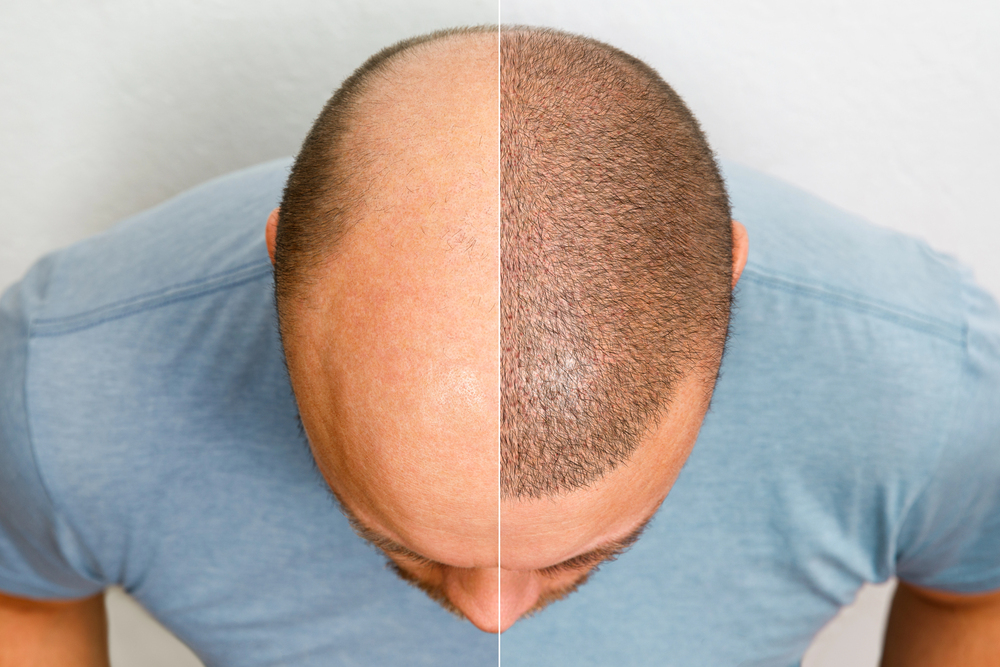
From $2,000
All-inclusive pricing
4-6 Hours
Procedure time
Outpatient
Hospital stay
14 Days
Stay in Thailand
What Is a Hair Transplant?
A hair transplant is a surgical procedure that relocates healthy, genetically resistant hair follicles from a donor area - typically the back and sides of the scalp - to thinning or balding regions. Because donor follicles are programmed to resist the hormonal signals that cause pattern hair loss, transplanted hair continues to grow permanently in its new location.
Two primary techniques are used worldwide, and both are offered at Thailand's leading clinics:
Follicular Unit Extraction (FUE)
Individual follicular units (containing 1-4 hairs each) are extracted directly from the donor area using a micro-punch tool, typically 0.6-1.0 mm in diameter. FUE leaves no linear scar, heals quickly, and allows patients to wear very short hairstyles after recovery. It is the most popular method among international patients.
Follicular Unit Transplantation (FUT)
A thin strip of scalp is removed from the donor area, and individual follicular units are dissected under a microscope before being placed into recipient sites. FUT can yield a higher number of grafts in a single session and is sometimes preferred when maximum density is the primary goal. It leaves a fine linear scar that is easily concealed by surrounding hair.
Who Is a Good Candidate?
Good Candidates
- Have androgenetic alopecia (male- or female-pattern hair loss) with a stable donor area
- Experience a receding hairline, thinning crown, or diffuse thinning amenable to transplantation
- Are in good general health with no uncontrolled chronic conditions
- Have realistic expectations about achievable density and the timeline for results
- Are at least 25 years of age - younger patients may still be losing hair, making it difficult to plan a long-term result
- Are a non-smoker or willing to stop smoking at least two weeks before and after surgery
Not Appropriate If You
- Have insufficient donor hair to cover the area of concern
- Experience active scalp conditions such as untreated alopecia areata or scalp psoriasis
- Have unrealistic expectations about achieving the hairline density of your teenage years
- Are on blood-thinning medications that cannot be safely paused
During your free consultation, our partnered surgeons evaluate your hair loss pattern, donor density, and goals using clinical photographs to recommend the most effective technique and graft count.
How a Hair Transplant Is Performed
Understanding the surgical process helps set realistic expectations. Below is a step-by-step overview of a typical hair transplant in Thailand.
Consultation and design
The surgeon examines your scalp, classifies your hair loss stage (using the Norwood or Ludwig scale), and designs a natural-looking hairline. The graft count is estimated based on the area to cover and available donor supply.
Local anaesthesia
The procedure is performed under local anaesthesia, so you remain awake and comfortable. Sedation is available if preferred.
Donor harvesting
For FUE, individual follicular units are extracted one by one with a micro-punch. For FUT, a strip is removed and closed with sutures or staples, and the follicular units are dissected under magnification.
Recipient site creation
Tiny incisions (slits) are made across the thinning area at precise angles and orientations that mimic natural hair growth direction.
Graft placement
Each follicular unit is carefully inserted into a recipient site. Placement density, angle, and distribution determine how natural the final result looks - this is where surgical artistry matters most.
Post-procedure care
The scalp is gently cleaned, and aftercare instructions are provided. No bandaging is typically required for FUE.
A session typically lasts 4 to 6 hours, depending on the graft count. Larger sessions (3,000+ grafts) may take up to 8 hours or be split over two consecutive days.
Preparing for Your Hair Transplant
Proper preparation ensures graft survival and a smooth recovery.
Medical Clearance
- • Share your full medical history, medications, supplements, and allergies with your surgeon.
- • Blood tests are completed before surgery to confirm you are fit for the procedure.
- • Inform your surgeon if you use finasteride or minoxidil - these may be adjusted pre-operatively.
Lifestyle Adjustments
- • Stop smoking at least two weeks before and after surgery - smoking constricts blood vessels and impairs graft survival.
- • Discontinue aspirin, ibuprofen, and blood-thinning supplements (fish oil, vitamin E, ginkgo biloba) at least one week prior.
- • Avoid alcohol for at least 48 hours before surgery.
Day of Surgery
- • Eat a normal breakfast and stay well hydrated.
- • Wash your hair with a mild shampoo; do not apply styling products.
- • Wear a loose, button-front shirt to avoid pulling garments over your head post-procedure.
Practical Planning
- • Arrange accommodation close to the hospital for your post-procedure recovery.
- • Plan to stay in Thailand for a minimum of 14 days to attend follow-up appointments and allow initial healing.
- • Bring a hat for sun protection during recovery - avoid tight-fitting caps that press on the grafts.
Recovery and Aftercare
Hair transplant recovery is generally straightforward, with most patients returning to light activities within days.
Immediate Aftercare
Small scabs form around each transplanted graft - this is normal. Mild swelling around the forehead may develop and typically peaks on day 2 or 3. Sleep with your head elevated at a 45-degree angle for the first five nights. Prescribed antibiotics and anti-inflammatory medication manage infection risk and swelling.
Early Recovery
Swelling subsides. You begin gentle hair washing following a specific protocol provided by your surgeon - typically using a cup to pour water rather than direct shower spray. Avoid touching, rubbing, or picking at the grafts.
Shedding Phase
Transplanted hairs begin to shed. This is entirely expected and does not indicate graft failure - the follicles remain alive beneath the skin and will re-enter the growth cycle. Donor area healing is well advanced; FUT sutures are removed around day 10-14.
Early Regrowth
New hair begins to emerge, initially fine and light in colour. Growth gradually increases in thickness and coverage. Patience is essential during this period.
Maturation
Hair continues to thicken and darken. By month 12, approximately 80-90% of transplanted grafts are producing visible hair. Full maturation continues up to 18 months.
Risks and Complications
Hair transplantation is considered a low-risk procedure, especially when performed by experienced surgeons in accredited facilities. However, all surgical procedures carry potential risks.
Common Side Effects
- Swelling - mild forehead swelling resolves within 3 to 5 days
- Scabbing - small crusts at graft sites fall off within 7 to 14 days
- Temporary numbness - donor and recipient areas may feel numb for several weeks
- Shock loss - existing hairs near the transplant zone may temporarily shed, regrowing within months
Less Common Complications
- Infection - rare when post-operative protocols are followed; treated with antibiotics if it occurs
- Poor graft survival - can result from smoking, premature physical activity, or graft trauma during placement
- Unnatural appearance - mitigated by choosing experienced surgeons who understand hairline design
- Donor scarring - FUT leaves a linear scar; FUE may leave tiny dot scars, both typically well-concealed
Hair Transplant Cost in Thailand
Cost savings are a primary reason international patients choose a hair transplant in Thailand. Pricing is typically quoted per graft, allowing you to budget based on the number of grafts your surgeon recommends.
For context, a typical session ranges from 1,500 to 4,000 grafts depending on the extent of hair loss. Western clinics charge $4-$10 per graft or more, meaning a 2,000-graft procedure in the US or UK can exceed $10,000-$20,000.
| Hospital / Clinic | Starting Price (USD) |
|---|---|
| Yanhee International Hospital | ≈ $2 per graft |
| Bangpakok 9 International Hospital | ≈ $3 per graft |
| Phuket International Hospital | ≈ $3 per graft |
| Apex Medical Center | ≈ $5 per graft |
What's Included
- • Pre-operative assessment and scalp analysis
- • Surgeon's and clinical team fees
- • Local anaesthesia (and sedation if required)
- • All surgical instruments and graft placement
- • Post-operative medications and aftercare instructions
- • Follow-up consultations during your stay
Procedure Details
- Duration: 4-6 hours
- Hospital Stay: Outpatient (0 nights)
- Recommended Stay: 14 days in Thailand
For comparison, a 2,500-graft FUE in the United States typically costs $10,000-$20,000, in Australia AUD 12,000-25,000, and in the United Kingdom £5,000-£15,000. Thailand's per-graft pricing makes high-quality hair restoration accessible to a far broader range of patients.
Frequently Asked Questions
Book Your Free Consultation
Restoring a natural, fuller head of hair starts with a single step. Contact our team to arrange a free, no-obligation consultation with one of Thailand's leading hair transplant specialists.
Submit Enquiry
Share your goals, medical history, and photos of your current hair loss for an initial assessment.
Get Your Plan
We match you with the best surgeon and clinic and provide a detailed graft estimate and cost breakdown.
Confirm & Travel
We handle clinic scheduling, accommodation guidance, and your entire stay coordination.