Liposuction in Thailand - Sculpt Your Body at World-Class Clinics
The most popular cosmetic procedure worldwide. Board-certified surgeons at JCI-accredited hospitals, with prices starting from $1,622. Join over 26,000 patients who have trusted our free service.
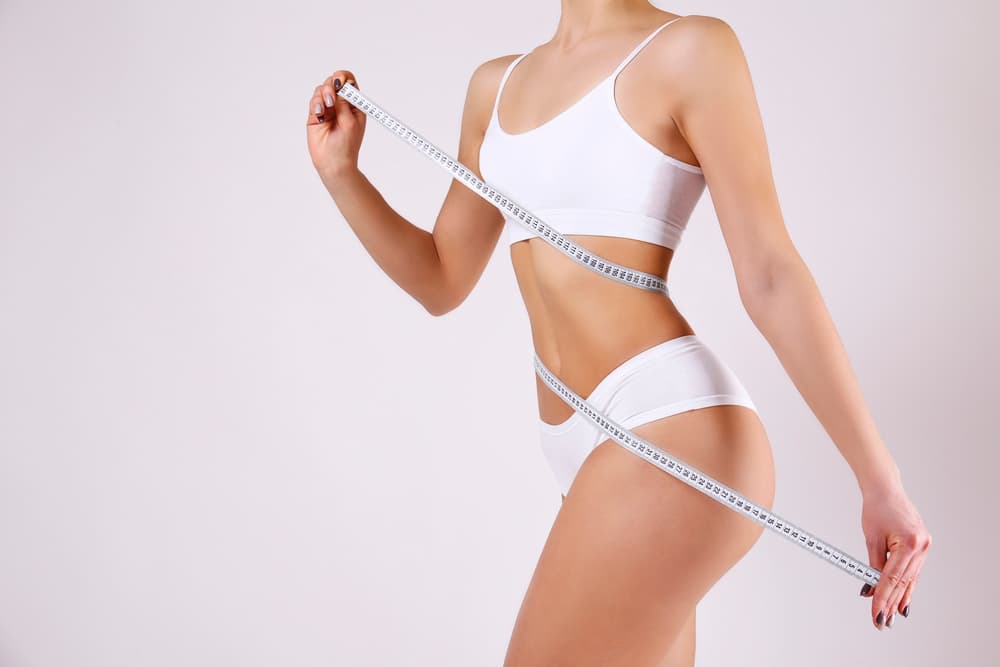
From $2,500
All-inclusive pricing
2 Hours
Procedure time
1 night
Hospital stay
9+ Days
Stay in Thailand
What Is Liposuction?
Liposuction - also called lipoplasty or suction-assisted lipectomy - is a surgical procedure that removes localised deposits of fat from specific areas of the body. It is not a weight-loss procedure; rather, it is a body contouring technique designed to reshape areas where stubborn fat persists despite a healthy lifestyle.
During the procedure, a surgeon makes small incisions, infuses a tumescent solution into the targeted fat layer, and uses a thin cannula connected to a vacuum device to suction out the fat cells. Because fat cells do not regenerate once removed, results are considered permanent - provided the patient maintains a stable weight.
Common Treatment Areas
- • Abdomen and flanks (love handles)
- • Thighs (inner and outer)
- • Upper arms
- • Back and bra roll area
- • Chin and neck (submental liposuction)
- • Male chest (gynecomastia treatment)
- • Hips and buttocks
Who Is a Good Candidate?
Ideal candidates for liposuction in Thailand typically meet the following criteria:
Within 30 percent of ideal body weight
Liposuction is most effective for patients who are near their target weight but have localised fat deposits that do not respond to diet or exercise.
Good skin elasticity
Skin that can retract and conform to new body contours produces the best results. Patients with significant skin laxity may benefit from combining liposuction with a skin-tightening procedure.
Non-smokers
Smoking impairs circulation and healing. Patients must stop smoking at least four weeks before surgery.
Good general health
No uncontrolled chronic conditions, blood clotting disorders, or active infections.
Realistic expectations
Liposuction refines body shape - it does not produce dramatic weight loss. A candid pre-operative consultation ensures your goals align with what the procedure can achieve.
Not Suitable For
Liposuction is not suitable as a treatment for obesity, cellulite, or loose skin. Your surgeon will discuss alternative or complementary procedures if these concerns are present.
Types of Liposuction
Thailand's leading hospitals offer several liposuction techniques. The choice depends on the volume of fat to be removed, the treatment area, and your surgeon's recommendation.
Tumescent Liposuction
The most widely performed technique. A large volume of tumescent solution - saline mixed with a local anaesthetic (lidocaine) and adrenaline (epinephrine) - is infused into the fat layer. The solution causes fat cells to swell, making them easier to remove, while the adrenaline constricts blood vessels to minimise bleeding and bruising.
Power-Assisted Liposuction (PAL)
Uses a motorised cannula that vibrates rapidly to break up fat cells before suctioning. PAL allows the surgeon to remove fat more efficiently and with less physical effort, which can be advantageous in larger-volume cases.
Vaser Liposuction
Employs ultrasonic energy to liquefy fat cells before removal. Vaser is particularly effective for fibrous areas such as the male chest and upper back, and it enables more precise body sculpting, including high-definition liposuction for athletic contouring.
Laser-Assisted (SmartLipo)
Uses laser energy delivered through a fibre-optic cannula to melt fat and stimulate collagen production in the skin. This technique may offer modest skin-tightening benefits in addition to fat removal.
Water-Assisted Liposuction (BodyJet)
Uses a gentle fan-shaped water jet to loosen fat cells from the surrounding tissue. This technique is considered less traumatic to surrounding tissues and may reduce post-operative swelling.
How Liposuction Is Performed
A typical liposuction procedure at a JCI-accredited hospital in Thailand follows these steps:
Anaesthesia
General anaesthesia is used for larger or multiple treatment areas. Smaller, localised areas may be treated under local anaesthesia with sedation.
Incisions
Small incisions (typically 3-5 mm) are made in inconspicuous locations - hidden in natural joint creases, the navel, or skin folds wherever possible.
Tumescent infusion
A solution of saline, local anaesthetic, and adrenaline is infused into the targeted fat deposits. This step reduces bleeding, provides pain control, and makes fat easier to extract.
Fat removal
A thin, hollow cannula is inserted through the incisions and moved back and forth to loosen fat cells. The loosened fat is suctioned out using a vacuum device attached to the cannula.
Closure
Incisions are closed with small sutures or left to drain naturally to allow residual fluid to exit, reducing swelling.
Compression garment
A compression garment is applied immediately to support the treated areas and minimise fluid retention.
Procedure duration: 2-3 hours (varies) | Hospital stay: 1 night
For larger treatment areas or high-volume liposuction, your surgeon may recommend splitting the procedure into multiple sessions to maintain safety margins.
Preparing for Your Liposuction
Thorough preparation leads to smoother surgery and faster recovery.
Medical Assessment
Your surgeon will evaluate your overall health, body mass index, skin quality, and the specific areas you wish to address. Blood tests are standard, and additional investigations may be requested based on your medical history.
Medications
Discontinue aspirin, anti-inflammatory medications (ibuprofen, naproxen), vitamin E, fish oil, and herbal supplements such as ginkgo biloba at least two weeks before surgery. These can increase bleeding risk.
Lifestyle Adjustments
- • Stop smoking at least four weeks before and after surgery.
- • Avoid alcohol for at least one week prior to the procedure.
- • Maintain a stable weight - significant weight fluctuations before surgery can affect results.
Practical Preparations
- • Purchase compression garments in advance if your hospital does not provide them.
- • Arrange comfortable accommodation near the hospital for your nine-day recovery stay.
- • Prepare loose, comfortable clothing that is easy to put on and remove.
Recovery and Aftercare
First 24 Hours
After surgery, antibiotics and pain relief are administered intravenously. Bandages are applied over the incision sites. You will be fitted with a compression garment before discharge. Some fluid drainage from incision sites is normal and expected during the first day.
Week 1
Wear your compression garment day and night. Bruising and swelling are at their most noticeable during this period. Light walking is encouraged from day one to promote circulation and reduce the risk of blood clots. Avoid showering until your surgeon gives clearance (typically 48 hours post-surgery).
Weeks 2-3
The compression garment should be worn during the day only. Bruising begins to fade, and you may notice your new contours starting to emerge. Most patients feel well enough to return to desk work and normal daily activities by week two.
Month 1
Avoid strenuous exercise, heavy lifting, and high-impact activities for at least four weeks. Light exercise such as walking can gradually increase. Follow-up with your surgeon occurs before you leave Thailand.
Months 2-6
Residual swelling and firmness continue to resolve gradually. Final results typically become fully visible between three and six months post-surgery. Some patients experience numbness or altered sensation in treated areas, which resolves over time.
Risks and Complications
Liposuction is a well-established procedure with an excellent safety profile when performed by a qualified surgeon. However, all surgical procedures carry some degree of risk:
Bruising and swelling - expected after every liposuction procedure and resolves over weeks to months.
Contour irregularities - uneven surfaces, asymmetry, or waviness may occur, particularly if skin elasticity is poor.
Seroma - a collection of fluid under the skin that may require aspiration.
Infection - uncommon in hospital settings and managed effectively with antibiotics.
Numbness - temporary changes in skin sensation in the treated area are common.
Skin discolouration - temporary changes in skin colour over treated areas may occur.
Fat embolism - a rare but serious complication. Risk is minimised by adhering to safe volume limits.
Anaesthesia risks - discussed thoroughly during your pre-operative evaluation.
All hospitals in our network adhere to international safety standards and volume limits recommended by professional surgical societies.
Liposuction Cost in Thailand
Liposuction in Thailand typically costs 50-70 percent less than equivalent procedures in the United States, United Kingdom, or Australia. The prices below are starting prices in US dollars and cover hospital fees, surgeon fees, anaesthesia, and standard post-operative care.
| Hospital / Clinic | Starting Price (USD) |
|---|---|
| Phuket International Hospital | $1,721 - $6,511 |
| Yanhee International Hospital | $875 - $2,610 |
| Bangpakok 9 International Hospital | $2,000 - $3,000 |
| Bangkok Hospital Pattaya | $2,600 - $3,000 |
| Kamol Cosmetic Hospital | From $3,130 |
| Apex Medical Center | $2,836 - $5,671 |
Prices vary depending on the number of areas treated and the volume of fat removed. Multiple areas treated in a single session may qualify for package pricing. Our service is completely free for patients - hospitals pay our commission directly.
Why Choose Thailand for Liposuction
JCI-Accredited Hospitals
Thailand's top hospitals hold Joint Commission International (JCI) accreditation, the most rigorous global standard for healthcare quality and patient safety.
High-Volume Experience
Liposuction is one of the most frequently performed cosmetic procedures in Thailand. This high case volume gives surgeons an exceptional depth of experience.
Substantial Cost Savings
Patients save 50-70 percent compared to the same procedure in Western countries. Thailand's lower cost of living drives these savings - not reduced standards.
Comfortable Recovery
Thailand offers a wide range of comfortable, affordable accommodation near major hospitals. The warm climate and relaxed environment contribute to a pleasant recovery.
End-to-End Patient Support
Plastic Surgery Thailand provides full concierge support including surgeon matching, hospital booking, appointment scheduling, airport transfers, and post-operative follow-up - all at no charge to you.
Frequently Asked Questions
Book Your Free Consultation
Getting started with liposuction in Thailand is straightforward. Our patient coordinators walk you through every step - from your first enquiry through to post-operative follow-up - at no cost to you.
Submit Enquiry
Share your goals, the areas you would like to treat, and your preferred travel dates.
Get Your Plan
We recommend hospitals and surgeons matched to your needs, along with a detailed quote and suggested itinerary.
Confirm & Travel
We handle scheduling, hospital coordination, airport transfers, and accommodation assistance.