Thigh Lift in Thailand - Body Contouring at Expert Clinics
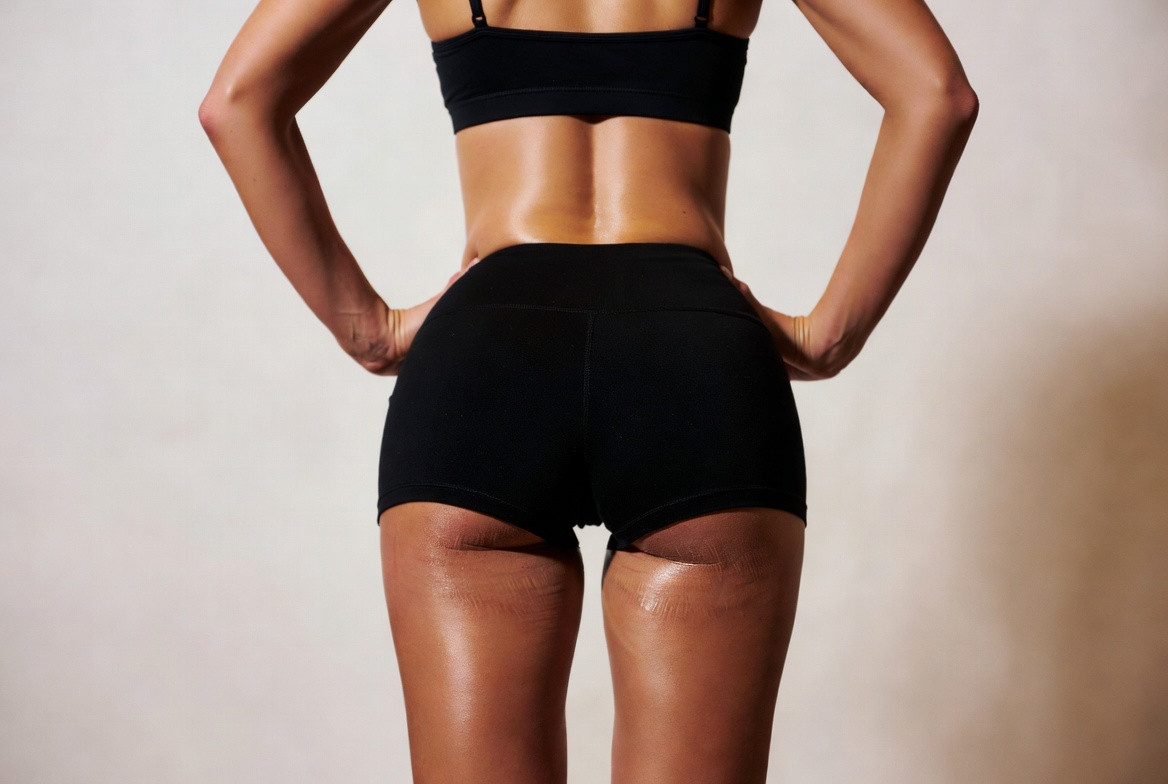
A thigh lift in Thailand eliminates sagging inner-thigh skin and stubborn fat that refuse to respond to exercise - restoring a firmer, more proportionate lower body at a fraction of Western costs.
From $3,500
All-inclusive pricing
4-5 Hours
Procedure time
Outpatient
Hospital stay
9 Days
Stay in Thailand
What Is a Thigh Lift?
A thigh lift - medically known as thighplasty - is a body-contouring procedure that removes excess skin and fat from the inner or outer thighs to create a smoother, more toned leg contour. It targets tissue laxity that cannot be corrected through diet, exercise, or non-surgical treatments.
The most common approach is the medial (inner) thigh lift. The surgeon places an incision within the natural crease of the groin, extending as needed based on the amount of tissue to be removed. Through this incision, redundant skin and fat are excised, and the remaining tissue is redraped and tightened for a firmer silhouette. The groin-crease incision placement means the scar is well-concealed by underwear and swimwear.
For patients with excess skin that extends further down the leg, a vertical thigh lift adds an incision running down the inner thigh to address laxity from the groin to the knee. This technique is most common after massive weight loss.
Many international patients who travel for a thigh lift in Thailand choose to combine it with complementary procedures such as a tummy tuck or liposuction to achieve a more comprehensive body-contouring outcome in a single surgical session.
Who Is a Good Candidate?
You may be a good candidate if you:
- Have significant loose, sagging skin on the inner or outer thighs
- Experience skin irritation, chafing, or rashes between the thighs due to excess tissue
- Have maintained a stable weight for at least 3 to 6 months after major weight loss
- Are at or close to your ideal body weight
- Are a non-smoker or willing to stop smoking at least two weeks before and after surgery
- Accept that scarring in the groin crease (and possibly along the inner thigh) is an expected trade-off
A thigh lift may not be appropriate if you:
- Have a significantly elevated BMI - losing weight before surgery improves results and safety
- Plan to lose a substantial amount of additional weight, which may produce new excess skin
- Smoke and are unwilling to quit for the required period
- Have conditions that impair wound healing or increase surgical risk, such as uncontrolled diabetes or severe venous insufficiency
- Seek fat reduction alone - liposuction may be a more suitable option if skin quality remains good
How a Thigh Lift Is Performed
Understanding the surgical process helps set realistic expectations. Here is a step-by-step overview of thighplasty in Thailand. The operation typically takes 4 to 5 hours for both thighs and is performed bilaterally in a single session.
Anaesthesia
The procedure is performed under general anaesthesia with a qualified anaesthesiologist monitoring your vitals throughout.
Incision placement
The surgeon marks the incision lines while you are standing. For a standard medial thigh lift, the primary incision is placed within the groin crease. For more extensive laxity, a vertical incision extends along the inner thigh.
Liposuction (if applicable)
When excess fat accompanies skin laxity, liposuction may be performed first to reduce bulk and allow more precise skin excision.
Skin and tissue excision
The surgeon removes the pre-marked area of excess skin and underlying fat. The remaining tissue is elevated and redraped to create a smoother, tighter thigh contour.
Deep tissue anchoring
Internal sutures secure the deeper tissue layers to Colles' fascia or other strong structures, reducing tension on the surface incision and helping maintain the result long-term.
Closure
Incisions are closed in multiple layers with absorbable and non-absorbable sutures. Drains may be placed to prevent fluid build-up. A compression garment is applied.
Preparing for Your Thigh Lift
Medical Clearance
- • Provide your full medical history, including all current medications, supplements, and allergies.
- • Blood tests and a physical examination are completed before surgery.
- • Patients with varicose veins or a history of blood clots should inform their surgeon.
Lifestyle Adjustments
- • Stop smoking at least two weeks before and after surgery - smoking severely impairs wound healing, especially in the groin and inner-thigh region.
- • Discontinue aspirin, ibuprofen, and blood-thinning supplements at least two weeks prior.
- • Avoid alcohol for at least 24 hours before surgery.
Day of Surgery
- • No food or drink for at least 6 hours before the operation.
- • Shower on the morning of surgery; do not apply lotions or perfumes to the thigh area.
- • Remove all jewellery, piercings, contact lenses, and nail polish.
- • Wear loose, comfortable clothing that is easy to put on after surgery.
Practical Planning
- • Arrange accommodation close to the hospital for your post-discharge recovery.
- • Plan to stay in Thailand for a minimum of 9 days.
- • Have a companion travel with you if possible - mobility is limited during the first several days.
Recovery and Aftercare
Thigh lift recovery follows a predictable progression when post-operative guidelines are followed carefully.
Hospital Discharge
Day 1Most thigh lift patients in Thailand are discharged on the same day or remain for one night depending on the extent of surgery. Moderate soreness, swelling, and bruising are managed with prescribed medication. Drains, if placed, are monitored and removed when output decreases - typically within 2 to 5 days.
Early Recovery
Days 2-7Swelling and bruising are most prominent during this period. Walking is encouraged from day one, though a slow, slightly bent-knee gait is normal for the first few days to reduce tension on the groin incision. Avoid wide leg movements, squatting, or stair climbing. Keep your legs elevated whenever resting. A compression garment is worn at all times.
Transition
Weeks 1-2Sutures are removed around day 7 to 10. Light walking increases, and daily activities gradually resume. Most patients can fly home after 9 days with surgeon clearance. Continue wearing the compression garment as directed.
Progressive Recovery
Weeks 3-6Swelling continues to reduce and thigh contour becomes more visible. Light desk work can resume around week 2 to 3. Gentle lower-body exercises such as walking and stationary cycling may resume with surgeon approval around week 4. Avoid running, squats, lunges, and heavy lifting until week 6 or later.
Final Results
Months 2-6Continue the compression garment for a total of 4 to 6 weeks. Incision scars in the groin crease gradually fade from red or pink to thin, pale lines over 6 to 18 months. Sun protection and silicone scar treatments help optimise appearance. Final thigh contour is typically visible within 3 to 6 months as all residual swelling resolves.
Risks and Complications
All surgical procedures carry potential risks. Choosing a board-certified surgeon at a JCI-accredited hospital significantly reduces these risks. Adhering to post-operative movement restrictions and wearing the compression garment as directed are the most effective ways to minimise complications.
Common Side Effects
- • Swelling and bruising - resolves over 2 to 6 weeks
- • Temporary numbness - inner-thigh sensation may take weeks to several months to return
- • Scarring - permanent, though well-concealed in the groin crease; fades over 6 to 18 months
Less Common Complications
- • Infection - minimised through sterile technique and prophylactic antibiotics
- • Haematoma or seroma - fluid or blood collection that may require drainage
- • Wound separation - more common in the groin area due to movement; careful post-operative rest reduces this risk
- • Asymmetry - minor differences between thighs are possible; significant asymmetry is uncommon
- • Scar migration - the groin scar may shift slightly over time as tissues settle
- • Deep vein thrombosis - prevented through early mobilisation, compression stockings, and anticoagulant prophylaxis when indicated
Thigh Lift Cost in Thailand
Cost is a key driver for international patients choosing thighplasty in Thailand - prices are typically 50-70% less than in Western countries, with no compromise in surgical standards. Prices below are starting rates in USD and include surgeon's fee, anaesthesia, hospital stay, and standard post-operative care. Final pricing depends on the extent of skin removal and any complementary procedures.
| Hospital / Clinic | Starting Price (USD) |
|---|---|
| Yanhee International Hospital | $3,292 |
| Bangpakok 9 International Hospital | $4,900 |
| Phuket International Hospital | $5,163 - $6,023 |
What's Included
- • Pre-operative blood tests and assessments
- • Surgeon's and anaesthesiologist's fees
- • Operating theatre and equipment
- • Day-surgery facility or hospital stay as required
- • Post-operative medications and compression garment
- • Follow-up consultations during your stay
International Comparison
- Thailand: $3,244 - $6,487
- United States: $7,000 - $14,000
- Australia: AUD 10,000 - 18,000
- United Kingdom: £6,000 - £11,000
Thailand's pricing makes expert thighplasty accessible to a far broader range of patients - and the savings often cover flights and accommodation.
Frequently Asked Questions
Ready to Transform Your Body?
Taking the first step toward firmer, more contoured thighs is straightforward. Contact our team to arrange a free, no-obligation consultation with one of Thailand's leading plastic surgeons.
Submit Enquiry
Share your goals, medical history, and any photos for an initial assessment.
Get Your Plan
We match you with the best surgeon and hospital and provide a detailed cost estimate.
Confirm & Travel
We handle hospital scheduling, accommodation guidance, and your entire stay coordination.