Rhinoplasty Consultation Checklist — Questions, Photos & Pre-Op Plan
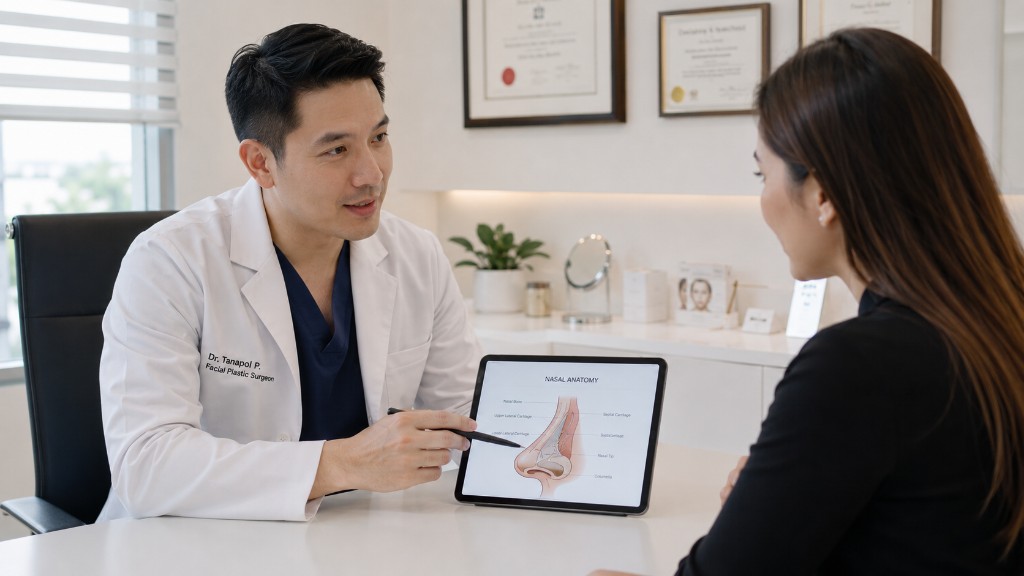
A rhinoplasty consultation is where you protect your safety, set realistic expectations, and confirm the plan fits your face — not a template. If you are considering rhinoplasty in Thailand, prepare the right photos and questions before you commit to flights. This checklist covers what to send, what to ask, how to compare quotes, and how long international patients typically stay for early follow-up.
Important: This is planning guidance for medical tourists, not a diagnosis or surgical recommendation. Final technique, graft choices, and travel clearance come from your surgeon.
What to Prepare Before Your Consultation
Most Thailand consultations for international patients start with photos and a written goals summary (often online first, then in-person before surgery). Incomplete photos waste time and produce vague quotes.
Send or bring:
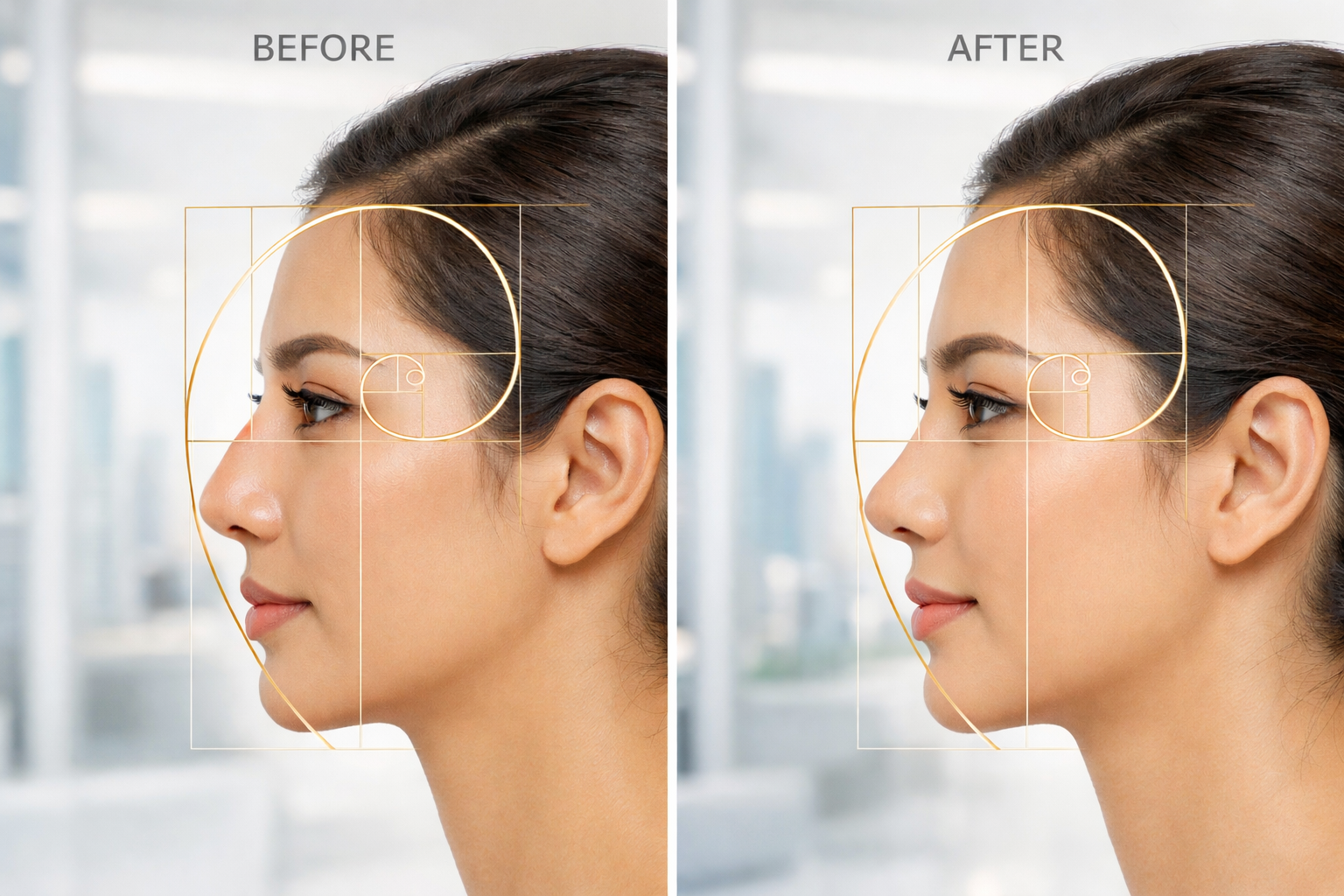
- Clear photos: front, left and right profile, both 45-degree angles, smiling and relaxed (neutral lighting, no filters)
- Goals in plain language (for example: reduce dorsal hump, refine tip, narrow nostrils, improve breathing)
- Prior nose surgery details and operative notes if you have them (revision cases need extra caution)
- Medical history: allergies, medications/supplements, smoking or vaping, bleeding or clotting history
- Breathing symptoms, sinus issues, or history of nasal trauma
- Any preference for open vs closed approach — but be ready to follow the surgeon’s anatomy-based recommendation
Tip: Reference photos help communicate style. They are not a promise. Skin thickness, cartilage strength, and prior surgery decide what is safely achievable.
Questions to Ask Your Surgeon
1) Technique and surgical plan
Ask:
- Do you recommend open or closed rhinoplasty for my goals — and why?
- What specific changes are you proposing to the bridge, tip, and nostrils?
- Will you use cartilage grafts? From where (septum, ear, or rib)?
- How will you support the tip long-term to reduce drooping?
- Is this a primary or revision case for me — and how does that change risk and recovery?
2) Safety and facility
Ask:
- Will surgery be in a hospital (or equivalent) operating theatre with full monitoring?
- Who provides anaesthesia, and what pre-op tests are required?
- What is the protocol for bleeding, infection, or breathing difficulty after surgery?
- How many rhinoplasties do you perform each month or year?
- Who do I contact after hours while I am still in Thailand?
3) Outcomes, downtime, and revision policy
Ask:
- What result is realistic for my anatomy and skin thickness?
- When will I look presentable for work or social events?
- When is the earliest I can fly, wear glasses, exercise, or return to contact sports?
- What is your revision policy if healing or shape needs a secondary correction?
- Can I see before-and-after photos of patients with a similar nose type to mine?
How to Compare Quotes Without Surprises
A low headline price can hide missing anaesthesia, grafts, overnight stay, or follow-ups. Compare line items, not only totals. Plastic Surgery Thailand is a free facilitator — patients pay hospitals directly at standard rates with no markups from us.
Your quote should clearly list:
- Hospital / facility fees and anaesthesia
- Surgeon’s fee and the technique included
- Implants or grafts (if used) and who pays if more graft material is needed
- Splints, dressings, and post-op medications
- Included follow-up visits and what extra care costs if needed
- Whether overnight stay is included
Start with our full cost and technique overview: Rhinoplasty Thailand 2026 complete guide. Then compare facilities via our partner hospitals directory and the hospital-selection guide: How to choose a plastic surgery hospital in Thailand.
How Long Should You Stay in Thailand?
Trip length depends on open vs closed technique, grafts, revision status, and your surgeon’s follow-up schedule. Many international patients stay long enough for early post-op checks and travel clearance — often around 7–14 days, sometimes longer for complex or revision rhinoplasty. Do not lock a short return ticket until the surgeon confirms it is safe.
For week-by-week healing milestones (splint removal, bruising, when tip swelling settles), see Rhinoplasty recovery timeline in Thailand.
Red Flags During Consultation
Pause and ask more questions if you hear:
- Guaranteed “perfect” results or pressure to decide the same day
- No clear facility name, anaesthesia plan, or after-hours contact
- Refusal to discuss risks, revisions, or realistic limits of your anatomy
- Quotes that will not itemise what is included
- Advice to skip follow-up or fly home immediately after surgery
Next Step: Get a Personalised Plan
If you want a surgeon to review your photos and recommend an approach, request a free assessment. We will help match you with an appropriate hospital option and a clear plan before you commit to travel. Plastic Surgery Thailand has coordinated care for international patients since 2003.