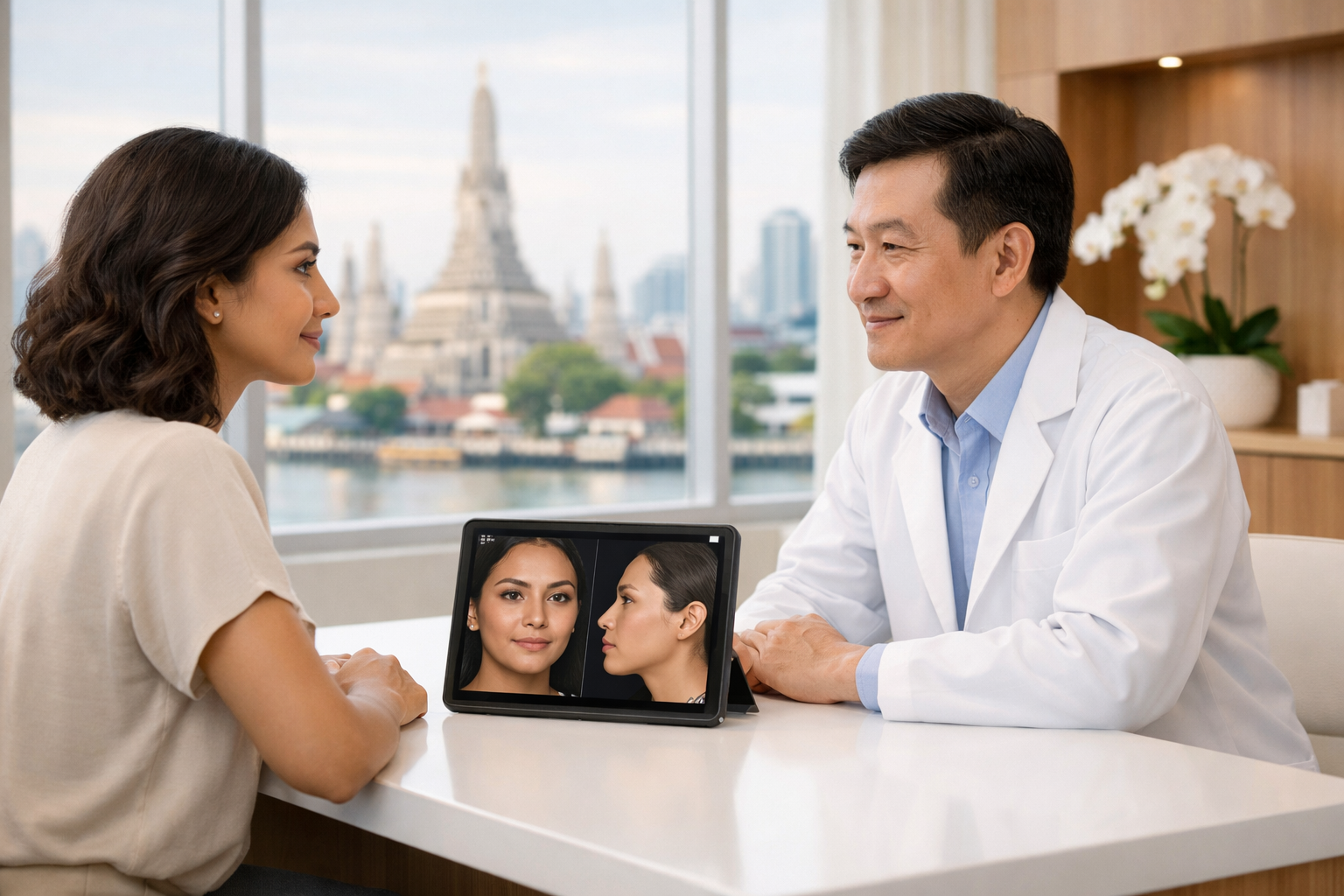
How to Choose a Plastic Surgery Hospital in Thailand
Thailand is globally recognized for its exceptional medical tourism infrastructure, offering world-class plastic surgery at competitive prices. With more than 60 JCI-accredited hospitals and thousands of board-certified surgeons, the country presents abundant choices-from massive international hospitals to boutique specialized clinics. However, this abundance can make selecting the right facility a daunting task. This comprehensive guide breaks down exactly what to look for when choosing a hospital for your procedure in 2026.
1. Start with JCI Accreditation as Your Baseline
The Joint Commission International (JCI) is the gold standard for global healthcare accreditation. A JCI-accredited hospital in Thailand has met rigorous international standards for patient safety, infection control, facility management, and staff qualifications. The accreditation process involves over 1,000 measurable elements and on-site surveys by international healthcare experts.
Why does this matter? JCI accreditation ensures that despite being in a foreign country, the protocols governing your anesthesia, surgical safety checklists, infection control, and emergency response are world-class. Thailand was the first Asian country to achieve JCI accreditation (Bumrungrad International Hospital, 2002) and now boasts one of the highest concentrations of accredited facilities globally.
Red Flag: Be wary of hospitals that claim "international standards" without specific JCI accreditation. Always verify current accreditation status on the official JCI website-accreditation must be renewed every three years.
2. Evaluate Surgeon Credentials Thoroughly
A prestigious hospital name means little if your specific surgeon lacks the right qualifications. When researching facilities, dig deep into the credentials of the medical staff who will actually perform your procedure.
Essential credentials to verify:
- Board Certification: Ensure the surgeon is certified by the Society of Plastic and Reconstructive Surgeons of Thailand (ThPRS). This requires completing accredited residency training and passing rigorous examinations.
- International Memberships: Look for active memberships in ISAPS (International Society of Aesthetic Plastic Surgery), which requires peer vetting and adherence to international ethical standards.
- Specialization: Choose a surgeon who performs your specific procedure regularly-at least 50-100 times per year-rather than a generalist who does "everything."
- Academic and Teaching Roles: Surgeons who teach at medical schools or speak at international conferences are often at the forefront of technique development.
- Language Proficiency: Ensure your surgeon can communicate clearly in English (or your native language) to discuss nuanced aesthetic goals and medical concerns.
3. Understand Hospital vs. Clinic: Critical Differences
Thailand offers two main facility types, each with distinct advantages:
Full-Service Hospitals (e.g., Yanhee, Bangkok Hospital):
- Comprehensive emergency infrastructure including ICUs and 24/7 specialist coverage
- On-site laboratory, radiology, and pharmacy services
- Ability to handle complex medical histories and complications
- Accredited operating theaters with advanced monitoring equipment
- Typically higher cost but maximum safety net
Specialized Clinics (e.g., Kamol, Apex):
- Focused exclusively on aesthetic procedures with high case volumes
- Often more personalized, boutique service experience
- May have lower overhead costs reflected in pricing
- Ideal for healthy patients seeking specific aesthetic procedures
- Verify they have emergency protocols and transfer agreements with nearby hospitals
Critical Decision: If you have underlying health conditions, are over 60, or are undergoing extensive surgery (like full body contouring or gender affirmation), prioritize a full-service hospital with comprehensive emergency capabilities.
4. Analyze Before-and-After Portfolios Critically
A surgeon's portfolio is the most revealing indicator of their aesthetic style and technical skill. Request to see at least 10-15 examples of your specific procedure on patients with similar anatomy to yours.
What to look for in portfolios:
- Consistency: Results should look natural and harmonious, not obviously "operated on"
- Scar quality: Incisions should be well-placed and heal to fine lines
- Lighting and angles: Be wary of photos with inconsistent lighting-good results look good from all angles
- Healed results: Ensure photos show results at 6-12 months post-op, not just immediately after surgery
- Diverse patients: Look for results on patients of different ages, ethnicities, and body types
5. Read Reviews with Discernment
Patient reviews on forums, social media, and dedicated review sites provide invaluable real-world insights. However, approach reviews critically-not all glowing testimonials are genuine, and not all complaints indicate poor care.
Red flags in review patterns:
- Overly generic praise without specific details about the experience
- Multiple reviews using similar phrasing (possible fake reviews)
- Hospitals with only 5-star reviews-real facilities have occasional dissatisfied patients
- No responses to negative reviews-ethical hospitals address concerns professionally
- Reviews that focus only on price, not safety or outcomes
Pay special attention to how hospitals handle complications or dissatisfied patients. A facility that responds professionally to negative feedback and offers revision or support demonstrates true commitment to patient care.
6. Location Strategy: Bangkok vs. Tourist Destinations
Your choice of location impacts both medical options and recovery experience:
Bangkok - The Medical Hub:
- Highest concentration of JCI-accredited hospitals and specialist surgeons
- Best for complex procedures requiring extensive surgical teams
- Widest range of accommodation options at all price points
- Easy international flight connections
- Urban recovery environment-less "vacation" atmosphere
Pattaya - Beach Recovery:
- Growing number of excellent medical facilities with international standards
- Resort-like recovery environment with beach access
- Closer to Bangkok airport than Phuket (2-hour drive)
- Popular for patients combining surgery with a peaceful recovery period
Phuket - Island Paradise:
- Several JCI-accredited hospitals including Bangkok Hospital Phuket
- True tropical island recovery experience
- Higher cost of living and potentially higher medical costs
- International airport with direct flights from many countries
- Ideal for patients planning an extended recovery "vacation"
7. Transparency in Pricing and Policies
Reputable Thai hospitals provide detailed, itemized quotes that include all components of your care. Be wary of facilities that offer only vague estimates or surprisingly low base prices that later balloon with add-ons.
A comprehensive quote should include:
- Surgeon's professional fee
- Anesthesiologist fee and anesthesia type
- Operating room and facility charges
- All medical supplies, implants, and medications
- Standard pre-operative tests (blood work, ECG, chest X-ray)
- Hospital accommodation for recommended stay
- Post-operative medications and dressings
- Follow-up appointments before departure
- Clear cancellation and refund policies
8. Communication and International Patient Services
Top-tier Thai hospitals maintain dedicated international patient centers staffed by multilingual coordinators. These teams handle everything from airport transfers to appointment scheduling to post-operative follow-up.
Assess international services by asking:
- Do they provide a dedicated coordinator who speaks your language?
- How quickly do they respond to emails and messages?
- Do they offer telemedicine follow-up after you return home?
- Can they assist with medical visa documentation if needed?
- Do they have experience with patients from your country?
Final Checklist: Before You Book
Before committing to a hospital, verify:
Pre-booking verification checklist:
- ✓ Current JCI accreditation verified on official JCI website
- ✓ Surgeon's credentials confirmed (ThPRS certification, ISAPS membership)
- ✓ Portfolio reviewed with specific focus on your procedure
- ✓ Itemized quote received and understood
- ✓ Emergency protocols explained and understood
- ✓ Communication with coordinator has been responsive and clear
- ✓ Recovery accommodation planned near the hospital
- ✓ Medical tourism insurance or complication coverage secured
Still researching? Submit a free assessment and our team will provide personalized hospital recommendations based on your specific procedure, medical history, and preferences. We work exclusively with vetted, JCI-accredited facilities in Thailand.