Facelift Recovery Timeline: Week-by-Week Healing + How Long to Stay in Thailand

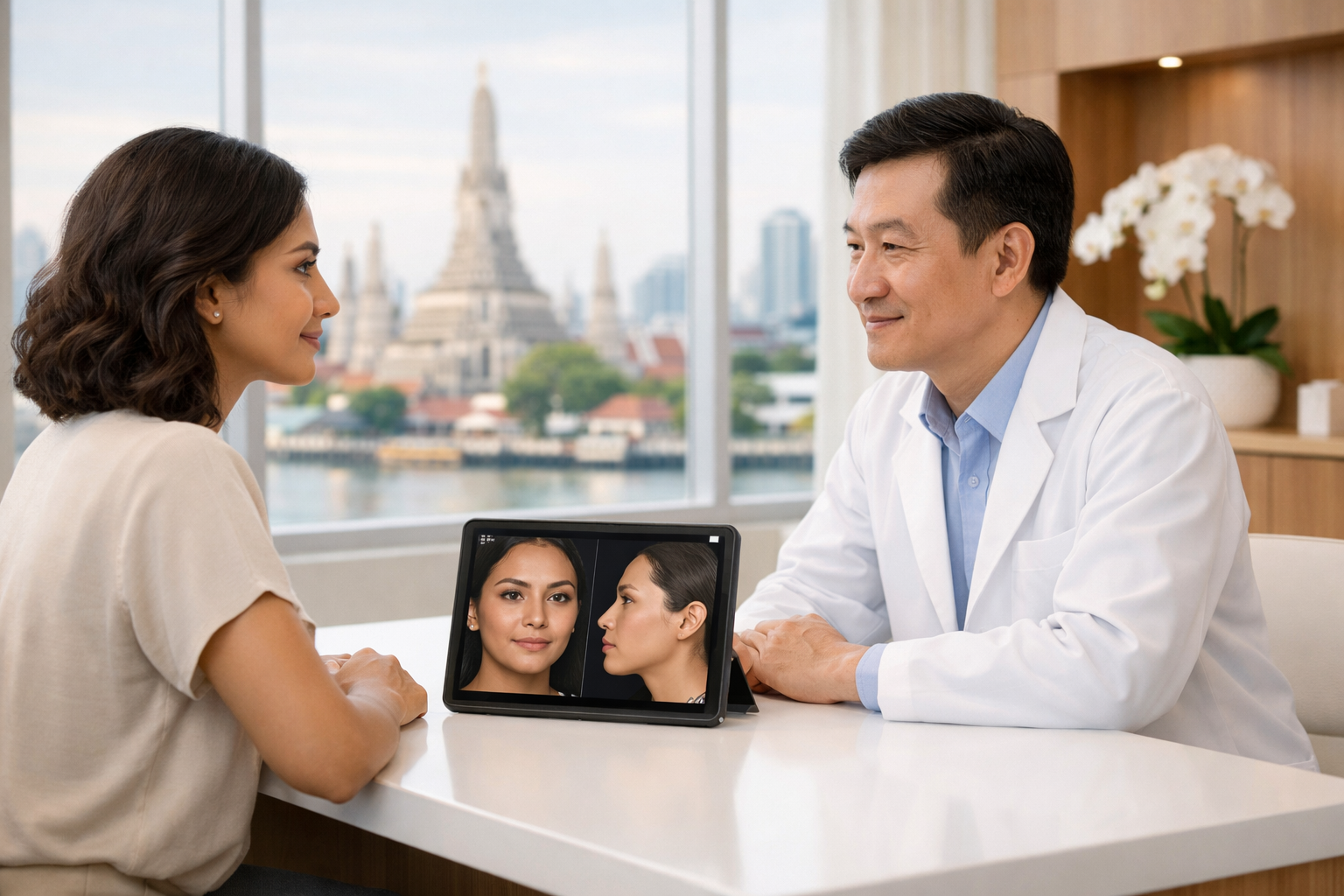
A facelift (rhytidectomy) is designed to improve facial laxity and restore more youthful facial contours. While the procedure itself is typically completed in a single day, the recovery process is gradual-and planning your timeline is especially important if you are traveling. This guide explains what most patients experience week by week, how to protect your results, and how long you should stay in Thailand for safe follow-up before flying home.
Important: This is general planning information, not medical advice. Your surgeon’s instructions always come first, especially if you have combined procedures, a revision case, or medical risk factors.
What Affects Facelift Recovery Speed?
Recovery timelines vary based on:
- Type of facelift (mini facelift vs SMAS vs deep-plane, if offered)
- Whether you had combined procedures (neck lift, blepharoplasty, fat grafting, etc.)
- Your skin quality and baseline laxity
- Smoking history (smoking significantly increases healing risks)
- Your adherence to aftercare: head elevation, activity restrictions, incision care
Days 1-3: The Immediate Post-Operative Period
The first 72 hours are typically the most intense phase. Expect swelling, tightness, and bruising, often around the cheeks, jawline, and neck. Your surgical team may use a compression garment or dressing, and you’ll be instructed on how to sleep, walk safely, and manage discomfort.
Typical priorities in the first 72 hours:
- Rest, hydration, and short gentle walks (as cleared) to support circulation
- Sleep with your head elevated to reduce swelling
- Take medications exactly as prescribed (pain control + infection prevention as directed)
- Avoid bending, heavy lifting, and any activity that increases blood pressure
- Keep incisions clean and dry as instructed
Red flags: sudden expanding swelling, severe one-sided pain, fever, or breathing difficulty require immediate medical evaluation. If you’re in Thailand, being in a hospital setting with clear protocols is a major safety advantage.
Days 4-7: Transition Week
Most patients feel noticeably better by day 4-5. Bruising may change color as it fades, and swelling gradually starts to come down-though it often shifts toward the lower face and neck. Your surgeon may schedule early follow-up visits to assess incision healing and remove or adjust dressings if needed.
Common milestones during days 4-7:
- Swelling begins to reduce but remains visible, especially along the jawline
- Bruising starts to fade (often moving from darker tones to yellow-green)
- Improved comfort with gentle daily movement
- Many patients can do light desk work remotely, if they feel up to it
Week 2: Looking More Presentable
By week 2, many patients feel significantly more “socially presentable,” although swelling and firmness can still be present. Depending on your surgeon’s protocol, some stitches may be removed around this time. You may be advised to continue gentle activity and avoid strenuous exercise.
Week 2 expectations:
- Noticeably less bruising for many patients
- Residual swelling and tightness remain normal
- Incisions may feel itchy or slightly numb as nerves recover
- Continue head elevation during sleep if recommended
Weeks 3-4: Gradual Return to Routine
Weeks 3-4 are often when patients feel more confident returning to normal daily activities. However, internal healing continues. It’s important not to rush exercise, sauna/steam, or anything that can increase swelling or irritation. Your surgeon will advise when it’s safe to resume workouts.
Weeks 3-4 goals:
- Increase walking and light activity as cleared
- Protect incisions from sun exposure (scar care matters)
- Follow your surgeon’s guidance on scar gel/tape if recommended
- Avoid heavy lifting until cleared
Weeks 6-12: Refinement Phase
Between weeks 6 and 12, swelling continues to settle and the result typically looks more natural. Incision lines and firmness soften gradually. Some numbness or tight sensations can persist for months-this is common and usually improves over time.
3-6 Months (and Beyond): Scar Maturation and Final Result
Facelift results continue to refine for several months. Scar maturation is a long process-often 6-12 months. The goal is a natural-looking improvement, not a “pulled” appearance. Your surgeon may recommend ongoing scar care and follow-up timing depending on your healing.
How Long Should You Stay in Thailand After a Facelift?
For traveling patients, your surgeon will set the safest follow-up schedule. As a planning guide, many patients consider staying roughly 10-14 days after a facelift, especially if early follow-ups or suture removal are required. If you combine procedures, you may need a longer stay.
Trip-planning checklist:
- Choose a hospital setting with clear post-op monitoring and emergency protocols
- Book accommodation that supports rest (quiet, elevator access, easy meals)
- Plan for follow-up appointments before flying
- Avoid tight itineraries-recovery days are not tourism days
If you want a surgeon to advise your ideal timeline and recovery plan, submit a free consultation. We’ll route you to an appropriate hospital option and help you plan safe follow-ups.
FAQ
When does facelift swelling peak?
Swelling often peaks in the first few days and gradually improves over weeks. Some residual swelling can last for months, especially with combined procedures.
When can I exercise after a facelift?
Your surgeon will advise. Many patients resume light activity first, then gradually return to exercise after clearance. Rushing strenuous activity can worsen swelling and healing.
When can I fly home?
Only your surgeon can clear travel. Many patients plan follow-ups before flying to confirm healing is on track.
Next Step
If you’re considering a facelift in Thailand, the safest next step is a surgeon-led plan at a hospital that matches your needs. Request a free consultation and we’ll help you plan a timeline that fits your procedure and recovery.